

Surgeon General calls for new label on drinks to warn Americans of alcohol’s cancer risk
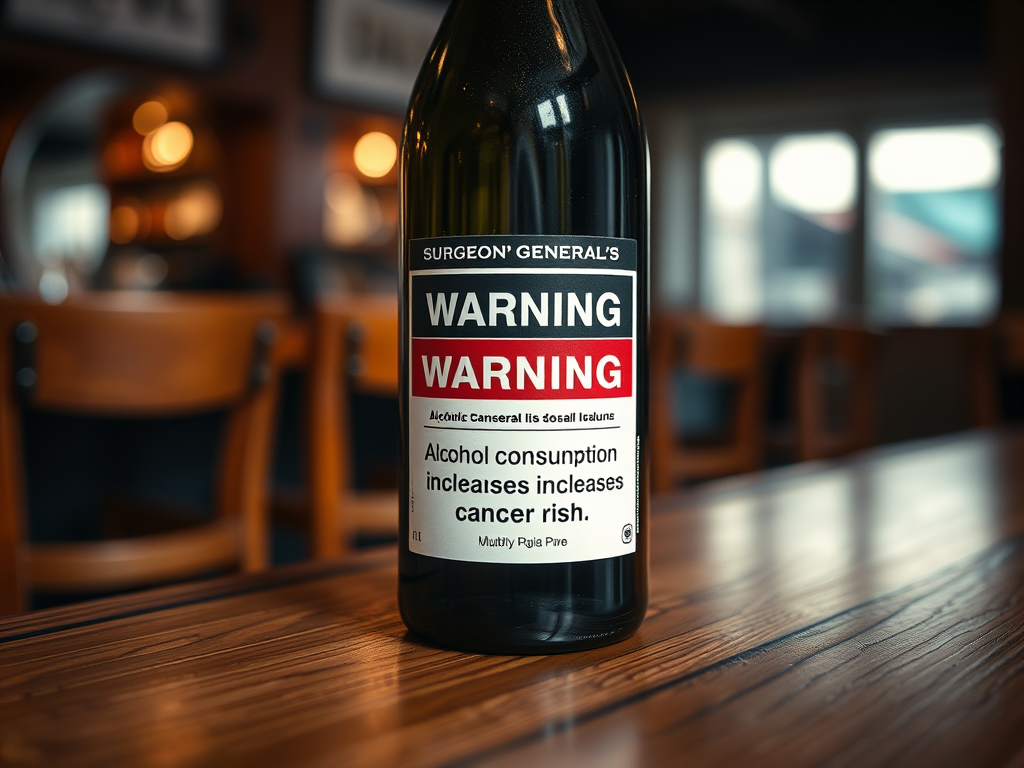
🍷 Warning: Your favorite drink might be hiding a deadly secret. The U.S. Surgeon General has dropped a bombshell, calling for new labels on alcoholic beverages to warn Americans about the cancer risks associated with drinking. This shocking announcement has sent ripples through the beverage industry and left consumers wondering: just how dangerous is that glass of wine with dinner?
The proposed warning labels are set to transform how we view our favorite alcoholic drinks. From that cold beer on a hot day to the champagne toast at weddings, alcohol has long been a part of our social fabric. But now, we're faced with an uncomfortable truth: our drinking habits might be silently increasing our cancer risk. As this revelation sinks in, it's crucial to understand the full scope of the Surgeon General's recommendation and its potential impact on public health.
In this blog post, we'll dive deep into the reasoning behind this bold move, exploring the scientific link between alcohol and cancer, and examining how this could reshape public health policies. We'll also look at the industry's response, the implementation process, and what this means for you, the consumer. So, grab a (non-alcoholic) drink, and let's unpack this game-changing announcement that could alter the way America drinks. 🚫🍺
Understanding the Surgeon General's New Recommendation
Key points of the proposed warning label
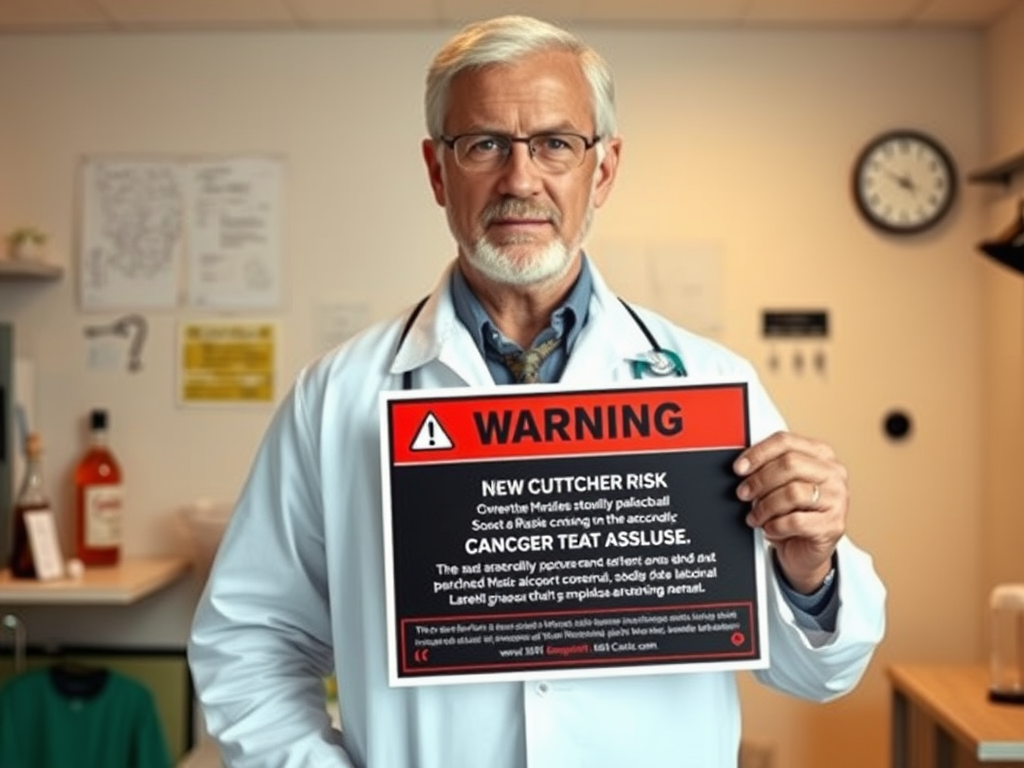
The Surgeon General's proposed warning label aims to convey crucial information about alcohol consumption and cancer risk. Here are the key points:
-
Clear cancer risk statement
-
Concise and easily understandable language
-
Prominent placement on alcohol containers
| Current Label | Proposed Label |
|---|---|
| General health warning | Specific cancer risk warning |
| Small text size | Larger, more visible text |
| Limited information | Detailed health risk information |
Rationale behind the recommendation
The Surgeon General's recommendation is based on several compelling factors:
-
Growing scientific evidence linking alcohol to various cancers
-
Low public awareness of alcohol-cancer connection
-
Need for transparent health information
-
Potential to reduce alcohol-related health issues
Comparison with existing alcohol warning labels
The proposed warning label significantly differs from existing labels:
-
Focus on cancer risk: Unlike current labels that mention general health risks, the new label specifically highlights cancer risk.
-
Visibility: The proposed label would be more prominent and easier to read.
-
Specificity: It provides more detailed information about health risks associated with alcohol consumption.
-
Consistency: The new label would create a uniform message across all alcohol products.
By providing this clear and specific information, the Surgeon General aims to empower consumers to make informed decisions about their alcohol consumption, potentially reducing cancer risks and improving public health outcomes.
The Link Between Alcohol and Cancer
Types of cancers associated with alcohol consumption
Alcohol consumption has been linked to several types of cancer, significantly impacting public health. Here's a list of the most common cancers associated with alcohol use:
-
Liver cancer
-
Breast cancer
-
Colorectal cancer
-
Esophageal cancer
-
Head and neck cancers (including mouth, throat, and voice box)
-
Pancreatic cancer
| Cancer Type | Risk Increase with Alcohol Use |
|---|---|
| Liver | High |
| Breast | Moderate |
| Colorectal | Moderate |
| Esophageal | High |
| Head & Neck | High |
| Pancreatic | Low to Moderate |
Scientific evidence supporting the connection
Extensive research has established a strong link between alcohol consumption and cancer risk. Studies have shown that ethanol, the primary component in alcoholic beverages, and its metabolite acetaldehyde are carcinogenic. These substances can damage DNA, proteins, and lipids through various mechanisms, leading to cell mutations and cancer development.
Risk factors and consumption levels
The risk of developing alcohol-related cancers increases with the amount and frequency of alcohol consumed. Even moderate drinking can elevate cancer risk, particularly for breast cancer. Other factors that influence risk include:
-
Genetics
-
Smoking habits
-
Diet and nutrition
-
Overall health status
It's important to note that there is no safe level of alcohol consumption when it comes to cancer risk. The World Health Organization classifies alcohol as a Group 1 carcinogen, meaning there is strong evidence that it can cause cancer in humans.
Public Health Implications
A. Potential impact on consumer behavior
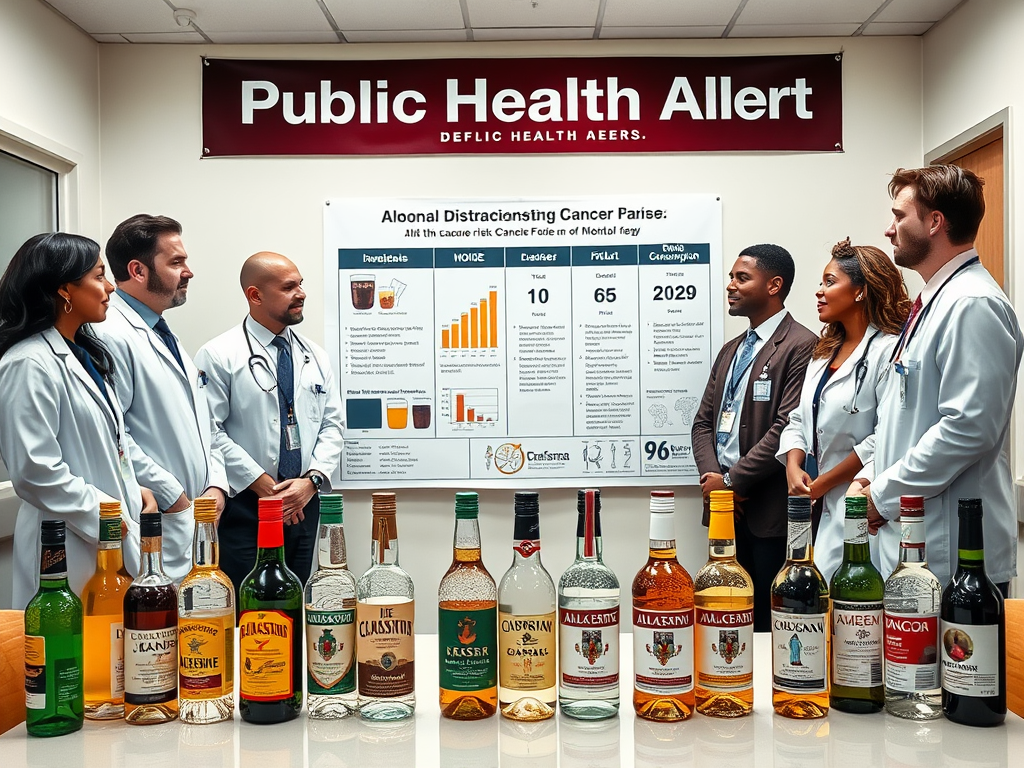
The introduction of cancer warning labels on alcoholic beverages is likely to have a significant impact on consumer behavior. Studies have shown that clear, visible warnings can influence purchasing decisions and consumption habits. Here's a breakdown of potential changes:
-
Increased awareness of health risks
-
Reduced alcohol consumption, especially among health-conscious individuals
-
Shift towards lower-alcohol or non-alcoholic alternatives
-
More informed decision-making when choosing to drink
| Consumer Group | Expected Behavior Change |
|---|---|
| Health-conscious | Significant reduction in consumption |
| Occasional drinkers | Moderate reduction, more mindful drinking |
| Heavy drinkers | Minimal immediate impact, potential long-term reduction |
| Young adults | Increased awareness, potential delay in drinking initiation |
B. Expected reduction in cancer rates
With increased awareness and potential changes in drinking habits, a gradual reduction in alcohol-related cancer rates is anticipated. However, the full impact may take years to materialize due to the long-term nature of cancer development.
C. Challenges in implementing the new label
Implementing the new cancer warning label on alcoholic beverages faces several hurdles:
-
Industry resistance and potential legal challenges
-
Determining optimal label design for maximum impact
-
Ensuring consistent application across various product types and sizes
-
Balancing the message with existing warnings (e.g., pregnancy risks)
-
Addressing potential economic impacts on the alcohol industry
The success of this public health initiative will largely depend on overcoming these challenges through collaborative efforts between health authorities, policymakers, and industry stakeholders.
Industry Response and Concerns

A. Alcohol industry's reaction to the proposal
The alcohol industry has expressed significant concern over the Surgeon General's recommendation for new cancer warning labels. Industry representatives argue that such labels could mislead consumers and unfairly stigmatize moderate alcohol consumption. Many industry leaders contend that the proposal oversimplifies the complex relationship between alcohol and cancer risk.
B. Economic implications for manufacturers
The proposed labeling changes could have substantial economic impacts on alcohol manufacturers:
| Impact Area | Potential Consequences |
|---|---|
| Production Costs | Increased expenses for label redesign and printing |
| Sales | Possible decrease in sales due to consumer perception |
| Marketing | Need for new marketing strategies to counteract negative perceptions |
| Compliance | Additional costs to meet new regulatory requirements |
• Small craft breweries and wineries may be disproportionately affected due to limited resources
• Large manufacturers might absorb costs more easily but could face significant revenue losses
• International trade could be impacted if foreign markets react negatively to the new labels
C. Lobbying efforts and potential counterarguments
The alcohol industry is likely to mount a robust lobbying campaign against the proposal. Some potential counterarguments include:
-
Emphasizing the potential health benefits of moderate alcohol consumption
-
Highlighting the industry's economic contributions and job creation
-
Arguing for more comprehensive public health education instead of warning labels
-
Proposing alternative measures, such as voluntary industry-led initiatives
Industry groups may also seek to delay implementation through legal challenges or by pushing for extended public comment periods and additional studies.
Implementation Process and Timeline

Legal requirements for label changes
To implement the Surgeon General's new recommendation for alcohol warning labels, several legal steps must be taken:
-
Federal approval process
-
State-level compliance
-
Industry consultation
The approval process typically involves multiple government agencies and can take 12-18 months. Here's a breakdown of the timeline:
| Phase | Duration | Key Activities |
|---|---|---|
| Initial proposal | 2-3 months | Draft regulations, public comment period |
| Agency review | 4-6 months | FDA, TTB, and other relevant agencies evaluate |
| Final approval | 2-3 months | Regulations finalized and published |
| Implementation | 4-6 months | Industry given time to comply |
Proposed design and content of the new label
The new label design aims to be clear and impactful:
-
Prominent placement on the container
-
Bold, easy-to-read font
-
Concise message linking alcohol to cancer risk
Proposed content may include:
-
"WARNING: Alcohol consumption increases cancer risk"
-
A visual icon representing cancer awareness
Rollout strategy and enforcement plans
The rollout strategy involves:
-
Phased implementation based on product type and company size
-
Public education campaign to raise awareness
-
Collaboration with retailers for point-of-sale information
Enforcement plans include:
-
Regular inspections of manufacturing facilities
-
Penalties for non-compliance
-
Consumer reporting mechanisms
As the implementation process moves forward, public health officials will closely monitor the impact of these new labels on consumer behavior and overall cancer awareness.
Public Awareness and Education
Current knowledge gaps about alcohol and cancer risk
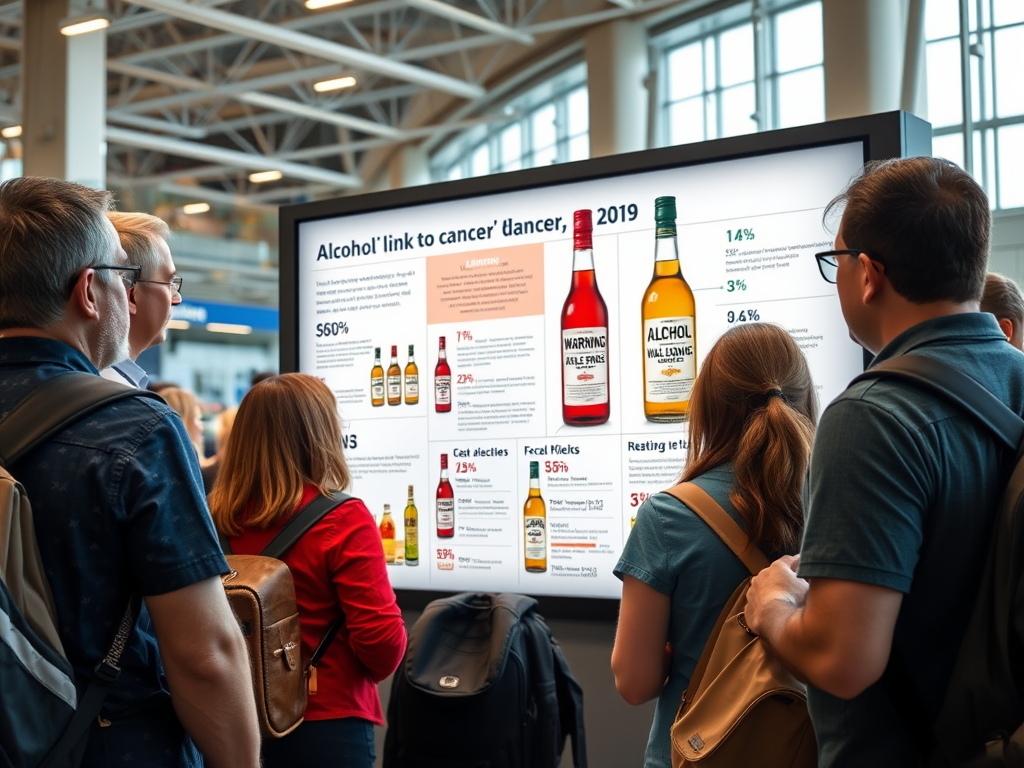
Despite widespread awareness of alcohol's harmful effects, many Americans remain unaware of its direct link to cancer. A recent survey revealed:
-
50% of adults don't know alcohol increases cancer risk
-
70% are unaware of which specific cancers are linked to alcohol consumption
-
80% underestimate the recommended daily alcohol intake limits
| Knowledge Gap | Percentage of Adults |
|---|---|
| Unaware of alcohol-cancer link | 50% |
| Unaware of specific cancers linked | 70% |
| Underestimate recommended limits | 80% |
Planned educational campaigns
To address these knowledge gaps, several initiatives are in the pipeline:
-
Social media campaigns highlighting alcohol-cancer risks
-
Partnerships with influencers to spread awareness
-
Public service announcements on TV and radio
-
Educational materials for schools and colleges
Role of healthcare providers in disseminating information
Healthcare providers play a crucial role in educating patients about alcohol-related cancer risks. They can:
-
Incorporate alcohol-cancer risk discussions into routine check-ups
-
Provide personalized risk assessments based on patients' drinking habits
-
Offer resources and support for reducing alcohol consumption
With these efforts, public awareness is expected to increase significantly. As we move forward, it's important to consider how this newfound awareness might impact industry practices and consumer behavior.
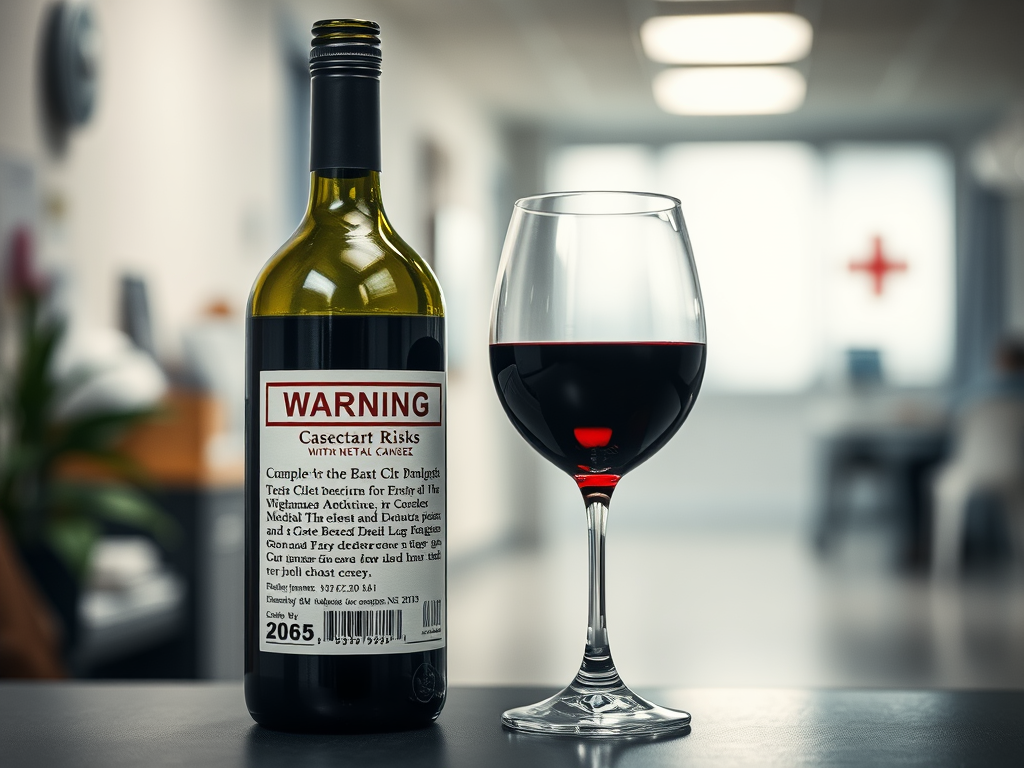
The Surgeon General's call for new alcohol warning labels marks a significant step in public health advocacy. By highlighting the link between alcohol consumption and cancer risk, this initiative aims to empower Americans with crucial information to make informed decisions about their drinking habits. The proposed labels could have far-reaching implications for public health, potentially reducing alcohol-related cancer cases and deaths.
While the alcohol industry may have concerns about the impact on sales, the focus remains on prioritizing public health and safety. As the implementation process unfolds, it will be crucial for healthcare providers, educators, and policymakers to work together in raising awareness about the risks associated with alcohol consumption. By staying informed and making conscious choices, we can all contribute to a healthier society and reduce the burden of alcohol-related cancers.


0 Comments